Everyday kitchens
Useful, considered, and made to earn their place.
 STAY IN TOUCH
GOOD THINGS ARE TAKING SHAPE
Thoughtful kitchen finds, trusted favorites, and original ideas—chosen for the way we really cook and live.
Inspired by professional kitchens. Made for everyday life.
STAY IN TOUCHUseful, considered, and made to earn their place.
Ideas shaped by the standards of working kitchens.
Sharing good finds and fresh perspectives.
OUR APPROACH
A good kitchen isn’t a full one. Galleymart is a small, edited collection of tools we’d reach for every day. Some come from makers we trust. Some we design ourselves, when the right one doesn’t exist yet.
We cook with everything first, through busy services and weeknight dinners. If it doesn’t earn its place, it doesn’t make the shelf.
When we can’t find the right tool, we sketch it, prototype it, and test it until it works the way a cook needs it to.
Honest materials, simple forms, and pieces built to last, so you need fewer of them.
A FEW EARLY FAVORITES
Favorites we’re gathering now, and a few of our own still under wraps.
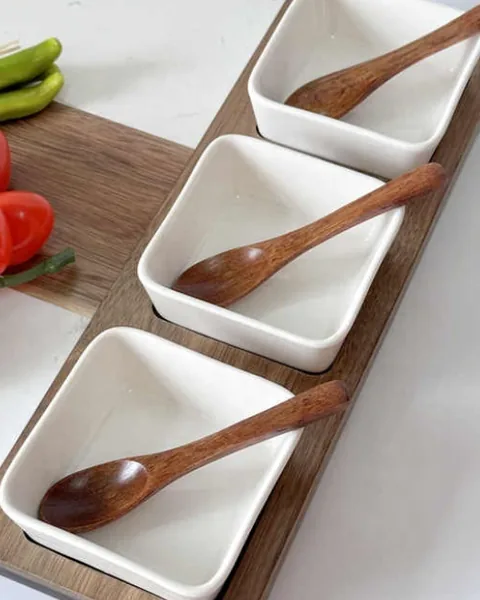
Porcelain dishes on walnut, for dips, salts, and small bites.
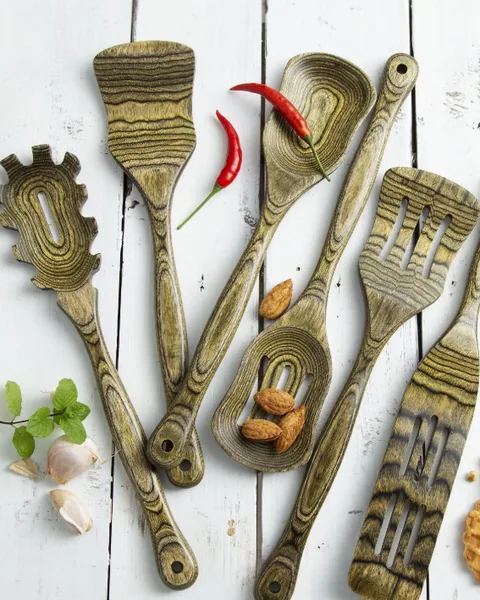
Hard-working tools with a grain worth leaving on the counter.
A weight for a hard sear on fish, steak, and burgers. In the test kitchen now.
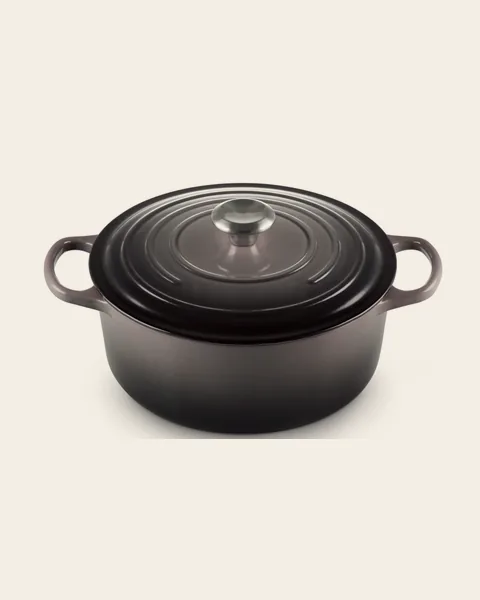
One pot for braises, bread, and Sunday soup.

A deep, clean-pouring bowl and a warm wooden handle.
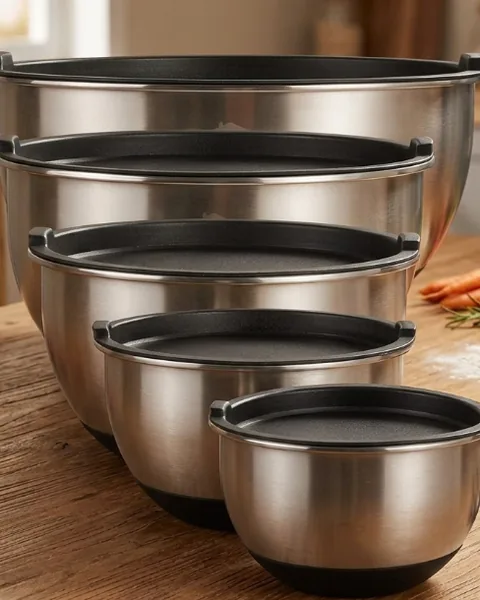
Stainless, lidded, non-slip. Five sizes that tuck into one.

Long, precise, and steady. The finishing touch, borrowed from the pass.
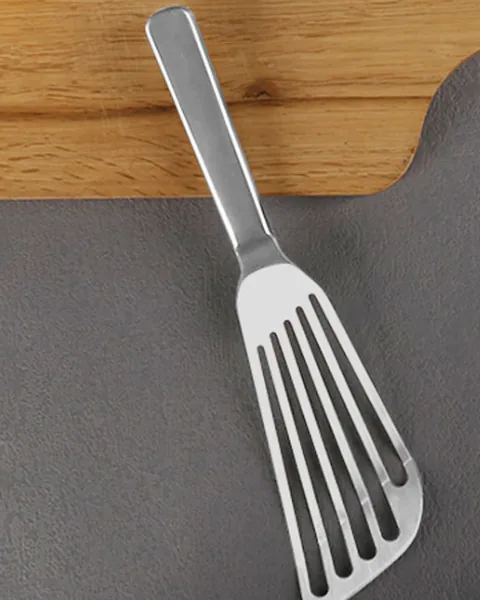
Thin, flexible steel. A line-cook favorite for far more than fish.
Sketched on the line, refined at home.
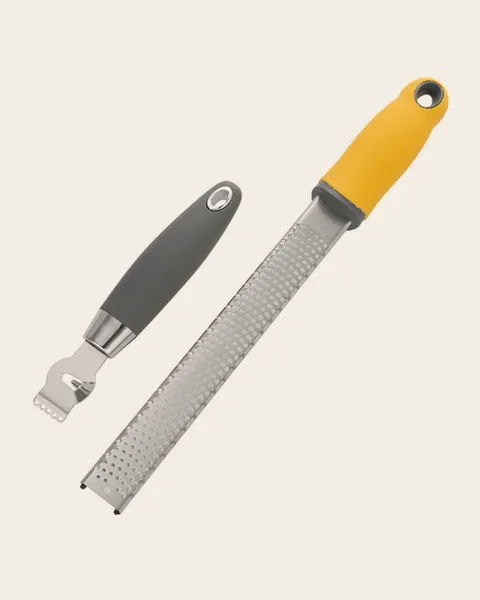
Fine zest and clean twists, for the kitchen and the bar.

A weighty base with a rise that catches the light.
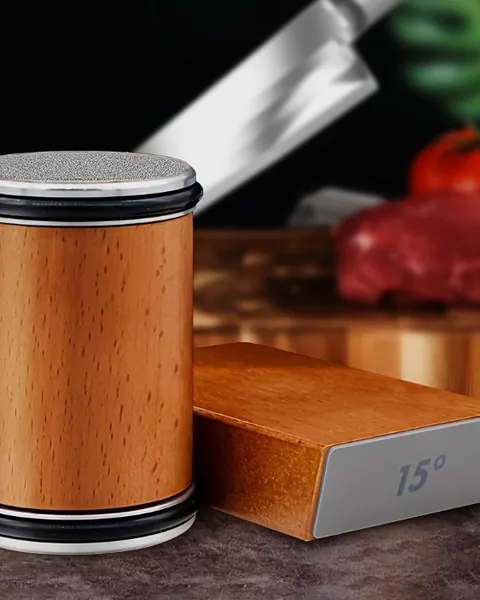
A set 15° angle for a keen edge, no guesswork.
A serving piece for the way we really gather.
A CUTTING BOARD PRIMER
Three woods we love, and how each one treats your knives.
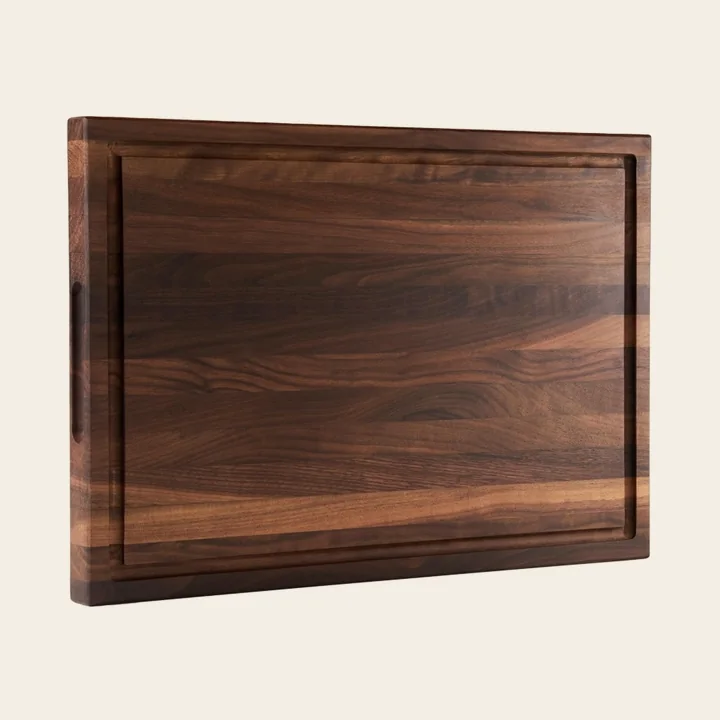
Black walnut · natural grain
Classic elegance in deep chocolate tones, and the gentlest of the three on a fine edge.
Choose it if your knives come first.
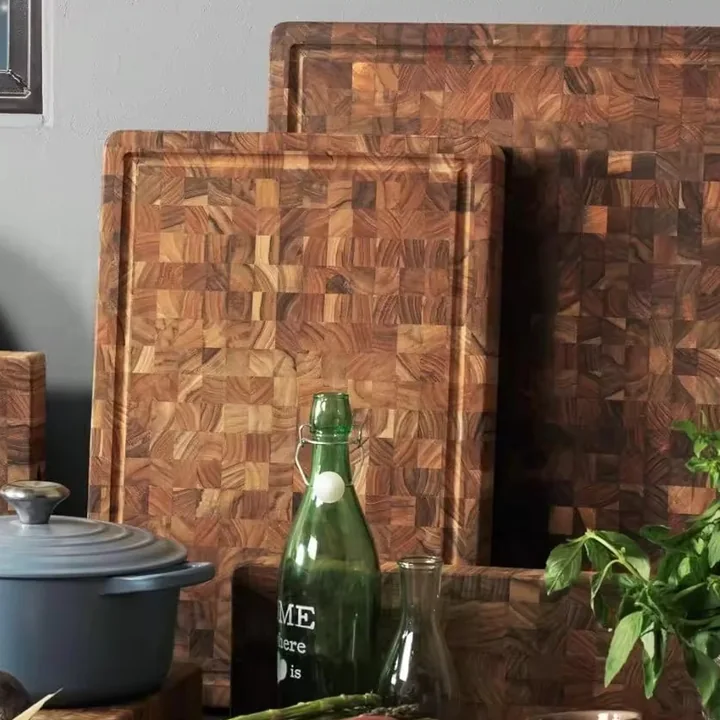
Teak · end grain
Golden and naturally oily. Shrugs off water and rarely warps.
Choose it if you want a board that asks little of you.
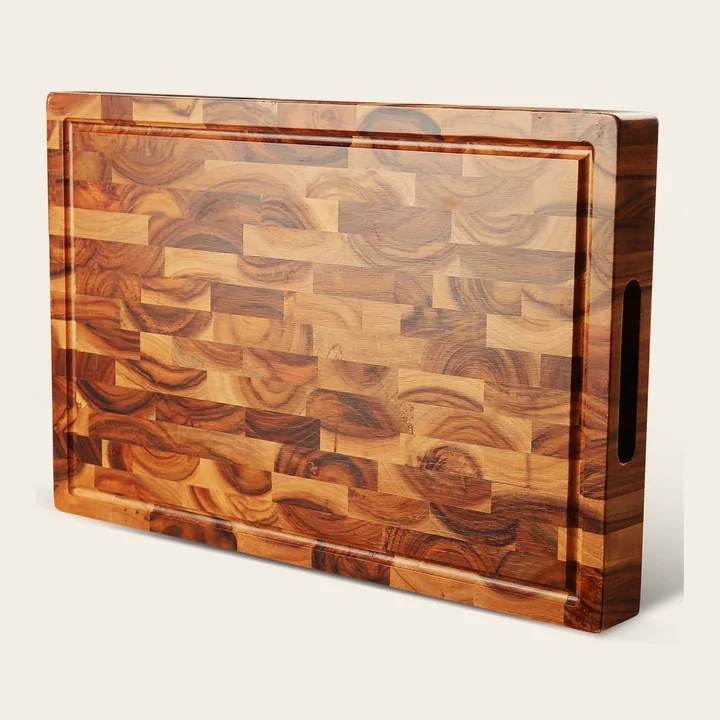
Acacia · end grain
Bold, high-contrast grain from honey to espresso. A real statement piece.
Choose it if you love dramatic grain at a friendlier price.
| Feature | Walnut | Teak | Acacia |
|---|---|---|---|
| Janka hardness | ~1,010 lbf Softest of the three | ~1,000–1,155 lbf Moderately soft | ~1,700–2,300 lbf Hardest; varies by species |
| Knife friendliness | Best. Gentlest on fine blades | Moderate. Natural silica can wear an edge | Lower. A harder surface dulls edges sooner |
| Water & moisture | Moderate | Excellent. High natural oil content | Fair. Less natural oil |
| Upkeep | Moderate. Dries out; oil now and then | Low | Higher. Oil often so it doesn’t crack |
| Look | Deep chocolate, sleek and dark | Golden-brown, tight and uniform | Dramatic, honey to dark brown |
| Price | Premium | Mid-range to premium | Most affordable |
A note on grain. End-grain boards are built from short blocks standing on end, so your knife slips between the wood fibers instead of across them. They’re kinder to edges and hide cut marks, but they’re heavier and want more oil. Natural, edge-grain boards like the walnut are lighter, hold their shape well, and are easier to care for.
BE THE FIRST TO KNOW
New finds, first looks, and a note when the doors open. Nothing more.